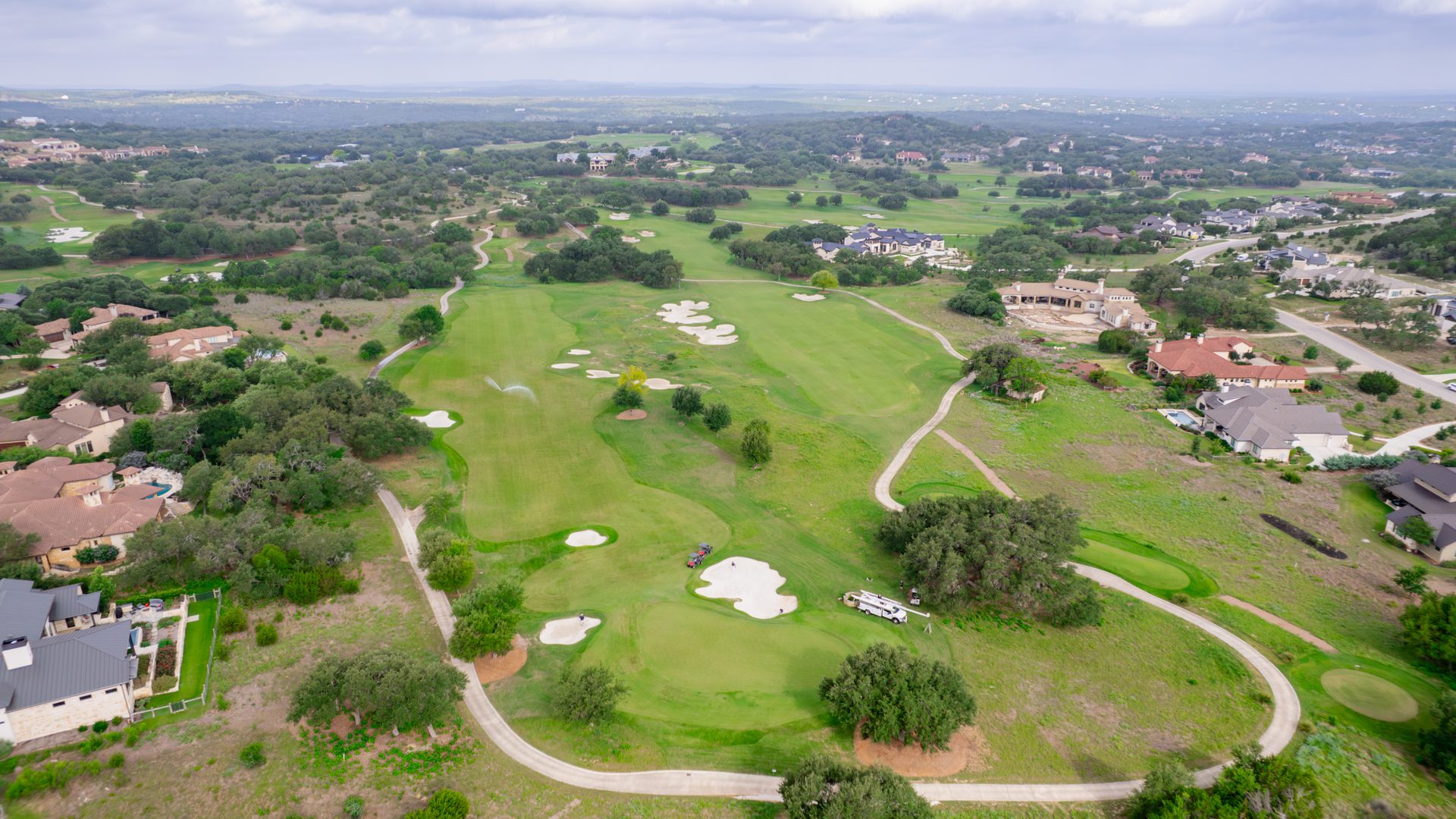

Everything about a Hill Country well, how deep it has to go, how much it produces, even how the water tastes, traces back to one thing: which aquifer sits under your property. The region is a patchwork of several, and they behave very differently. Here's a plain-English tour.
The Trinity Aquifer
The workhorse of the central Hill Country. The Trinity (especially the Middle and Lower Trinity) underlies Boerne, Bandera, Blanco, and much of Comal and Kendall counties. Wells commonly run from a few hundred feet to over 1,000, and yields vary from tract to tract as the limestone and sand layers shift.
Water trouble now, or planning ahead? Tell us what your well is doing and we will give you a straight answer and a free quote, often the same day.
The Edwards-Trinity (Plateau) Aquifer
Out west, across Kerrville, Real, and Kimble counties, the Edwards-Trinity (Plateau) takes over. It blankets the higher, more rugged plateau country, and depths swing widely with the terrain.
The Edwards Aquifer
Along the southern edge, in the Balcones Fault Zone through parts of Comal, Medina, and Uvalde counties, the Edwards is one of the most productive aquifers in the state. Wells here can yield strongly, though levels are sensitive to rainfall and pumping.
The Llano Uplift aquifers: Hickory and Ellenburger-San Saba
Up around Llano, Mason, and San Saba, the geology changes completely. The Hickory and Ellenburger-San Saba aquifers ring the ancient Llano Uplift, and their artesian zones can run very deep, sometimes well over a thousand feet. These aquifers supply municipal water to towns like Fredericksburg, Johnson City, and Bertram.
What this means for your well
The short version: there's no one-size-fits-all answer to how deep your well should be or how it should be built, because the ground changes from one part of the Hill Country to the next. That's exactly why local experience matters. We've drilled across all of these formations since 1985. See typical depths in our well-depth guide, learn how a well system works, or read whether the Trinity Aquifer is running dry.