Water Well Repair
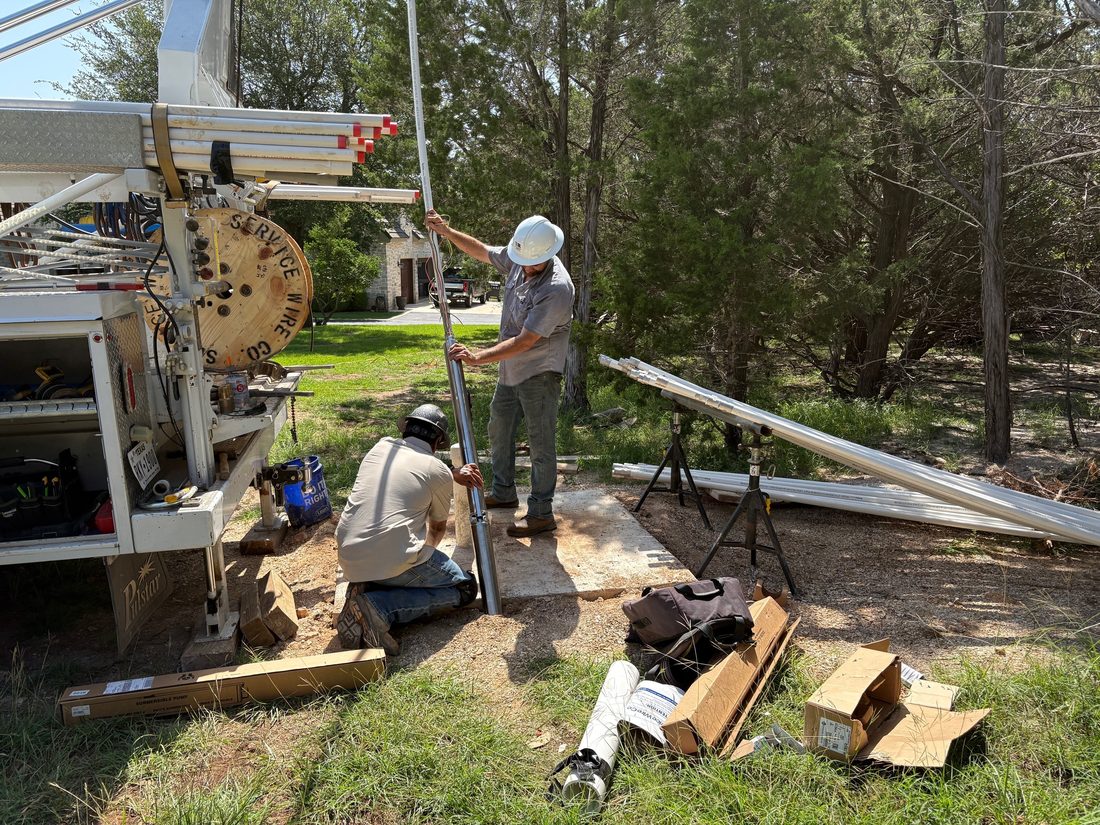
If we find a problem, we can fix it right away.
Learn moreA worn pump or a small leak rarely warns you, it just quits, usually at the worst time. We inspect, test, and tune your whole system twice a year so the small stuff gets caught and fixed before it leaves you without water.
The cheapest well repair is the one you never need. We recommend a professional inspection once a year, it's a small cost that catches worn parts, dropping output, and water-quality changes long before they leave you without water or facing a major bill.
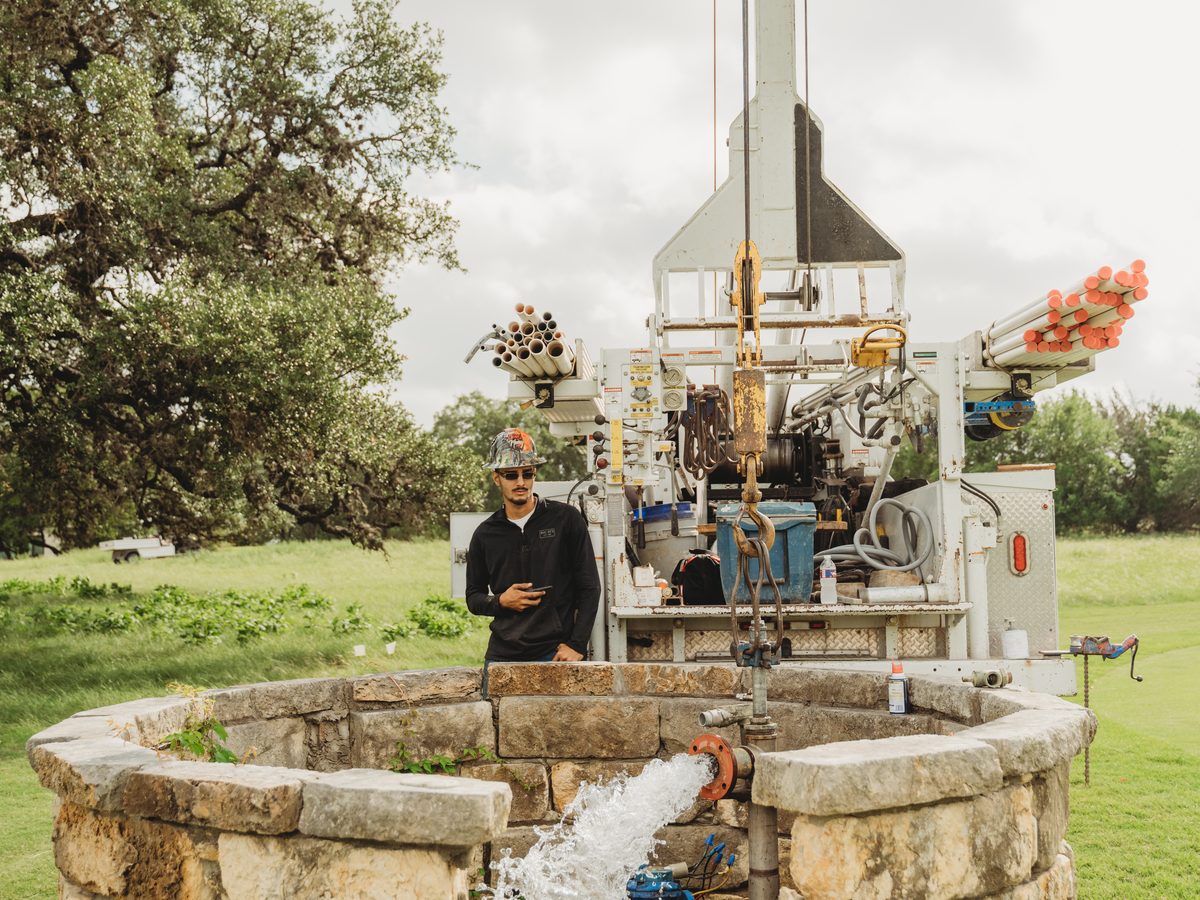
A maintenance visit covers the whole system. We check pump performance and pressure, inspect the casing and wellhead, flush the system, test flow rates, and sample your water for quality. If something's trending the wrong way, you'll know while it's still an easy fix.
We also offer maintenance plans for homeowners who'd rather set it and forget it, plus pre-purchase inspections for anyone buying or selling a property with a well.
Tell us about your project and we'll get back to you quickly, often the same day.
Request a QuoteCall (830) 816-3232We examine the pump, casing, wellhead, and controls.
We measure flow and pressure and sample the water.
We flush the system and tune up what needs it.
We tell you exactly where your well stands.
Our maintenance plan keeps your well system running reliably year-round, with a thorough inspection every six months.
Pricing valid for locations within 25 miles of Boerne.
“We interviewed multiple companies before drilling our well and were 100 percent satisfied with our decision to go with TR.”
Chelsea D. · Verified Google review
We recommend a professional well inspection once a year, along with annual water-quality testing for bacteria, nitrates, and other common Hill Country concerns. Yearly checkups let us catch small issues like a worn pressure switch, a struggling pump, or a failing pressure tank before they leave you without water. Wells near septic systems, agricultural land, or older casing may benefit from more frequent testing, and we are happy to advise based on your property.
A typical visit includes checking your pump performance and water flow, inspecting the pressure tank and pressure switch, testing the well's electrical components, and looking over the wellhead and casing for cracks or contamination risks. We also collect a water sample for testing and verify that your system is delivering steady pressure throughout the home. Most routine visits take one to two hours, and we walk you through anything we find before any work begins.
Common red flags include sputtering or air spitting from faucets, a noticeable drop in water pressure, cloudy or sandy water, a sulfur or metallic smell, or a pump that runs constantly or cycles on and off rapidly. A sudden jump in your electric bill can also point to a pump working harder than it should. If you notice any of these, give us a call at (830) 816-3232 and we can usually diagnose the problem quickly.
Our region sits on limestone and karst geology, which can allow surface water, bacteria, and minerals to reach private wells more easily than in other areas. Annual testing checks for coliform bacteria, nitrates, hardness, and other factors that affect both your health and your plumbing. Because private wells are not regulated like city water, the responsibility for testing falls on the homeowner, and regular checks give you peace of mind that your family's water is safe.
Routine maintenance and pump repairs on an existing well generally do not require a permit, though drilling a new well does involve registration with the local groundwater conservation district. When choosing a company, look for one that is licensed, insured, and familiar with Hill Country geology and equipment. As a local business serving Boerne and the surrounding area since 1985, TR Drilling and Service brings decades of local experience, and you can reach us at (830) 816-3232 with any questions.
If we find a problem, we can fix it right away.
Learn moreRestore output to a well that's slowing down.
Learn moreReplace an aging pump before it fails.
Learn moreSchedule an inspection or ask about a maintenance plan. It's the easiest way to avoid a no-water emergency.